
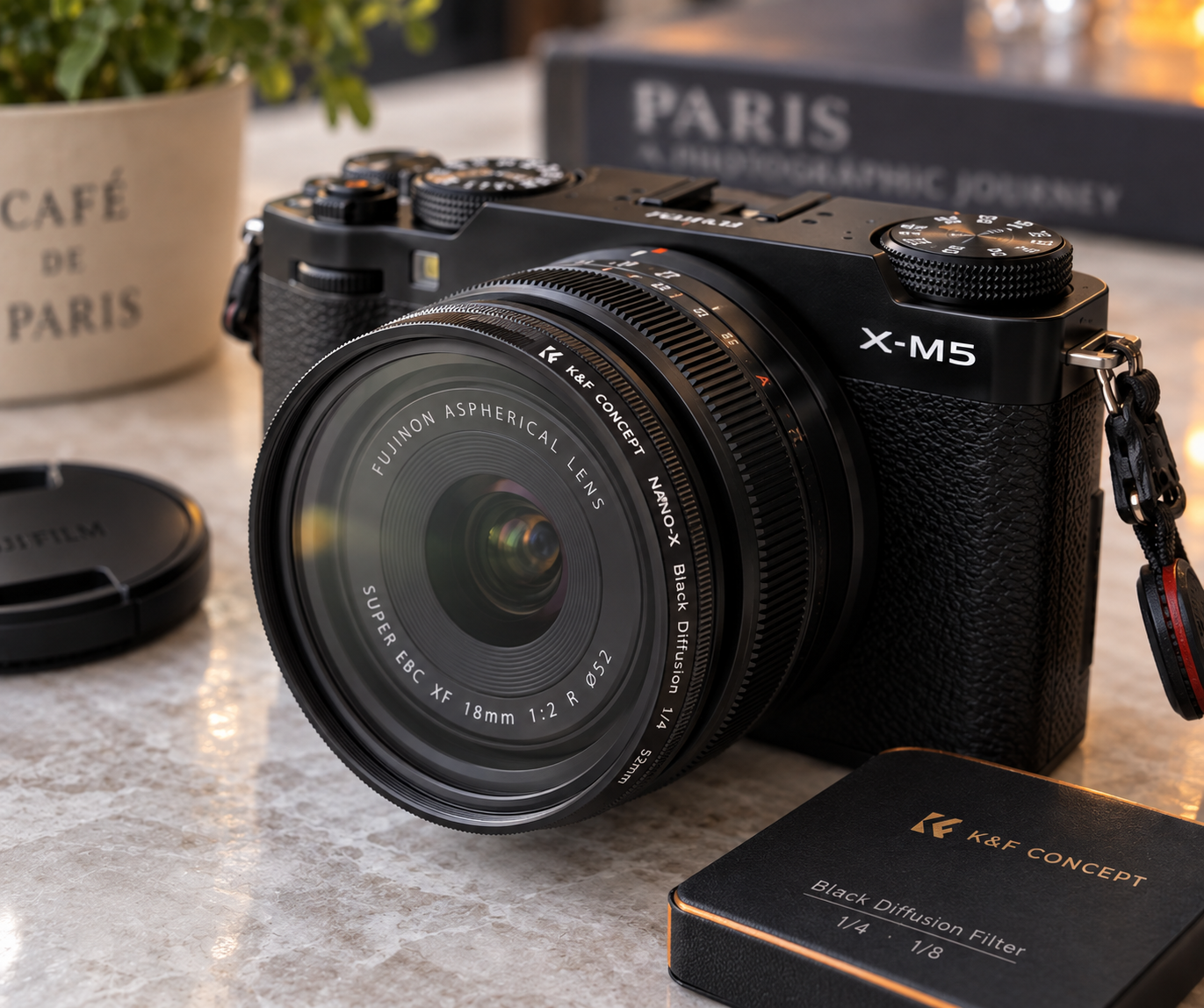
Fuji XM-5 with 18mm f2 lens and ¼ filter
I recently took the K&F Concept 52mm Black Diffusion 1/4 and 1/8 Filter Kit with me to Paris, where I used the filters extensively on my Fujifilm X-Pro2 and X-M5. Paris is obviously an incredible city for street and travel photography, but it also turned out to be the perfect place to properly test what these filters can do. The short version is that I absolutely loved them.
Rather than feeling like a gimmicky special-effects filter, the Black Diffusion filters genuinely changed the character of my photographs. They gave my images a softer, more cinematic quality while still retaining the detail and character that I want from my Fujifilm cameras.
🔗 Link to buy : https://www.kentfaith.co.uk/SKU.1907?tracking=AndrewScott
🎟️ Code: AndrewScott (17% off sitewide)
What do Black Diffusion filters actually do?
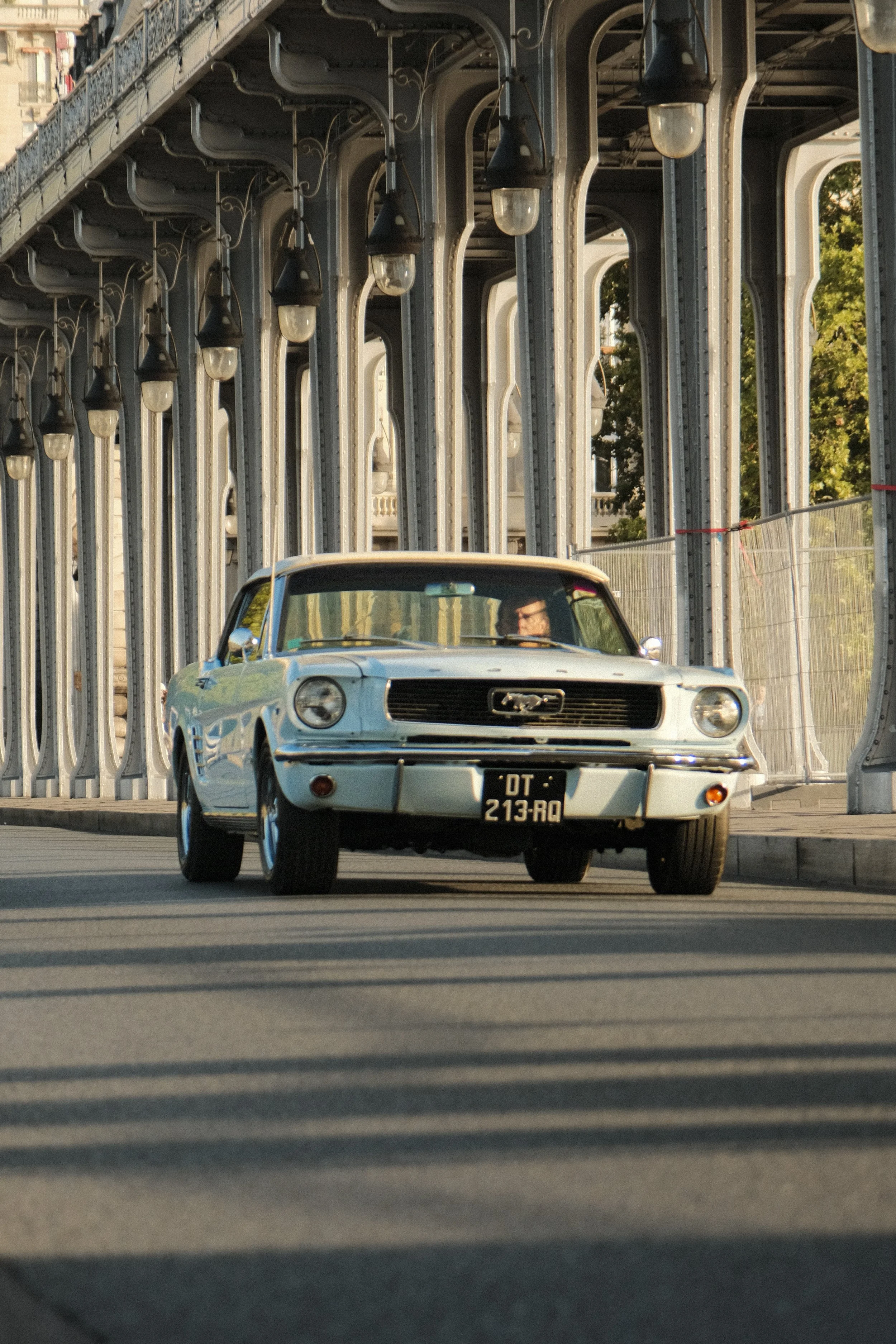
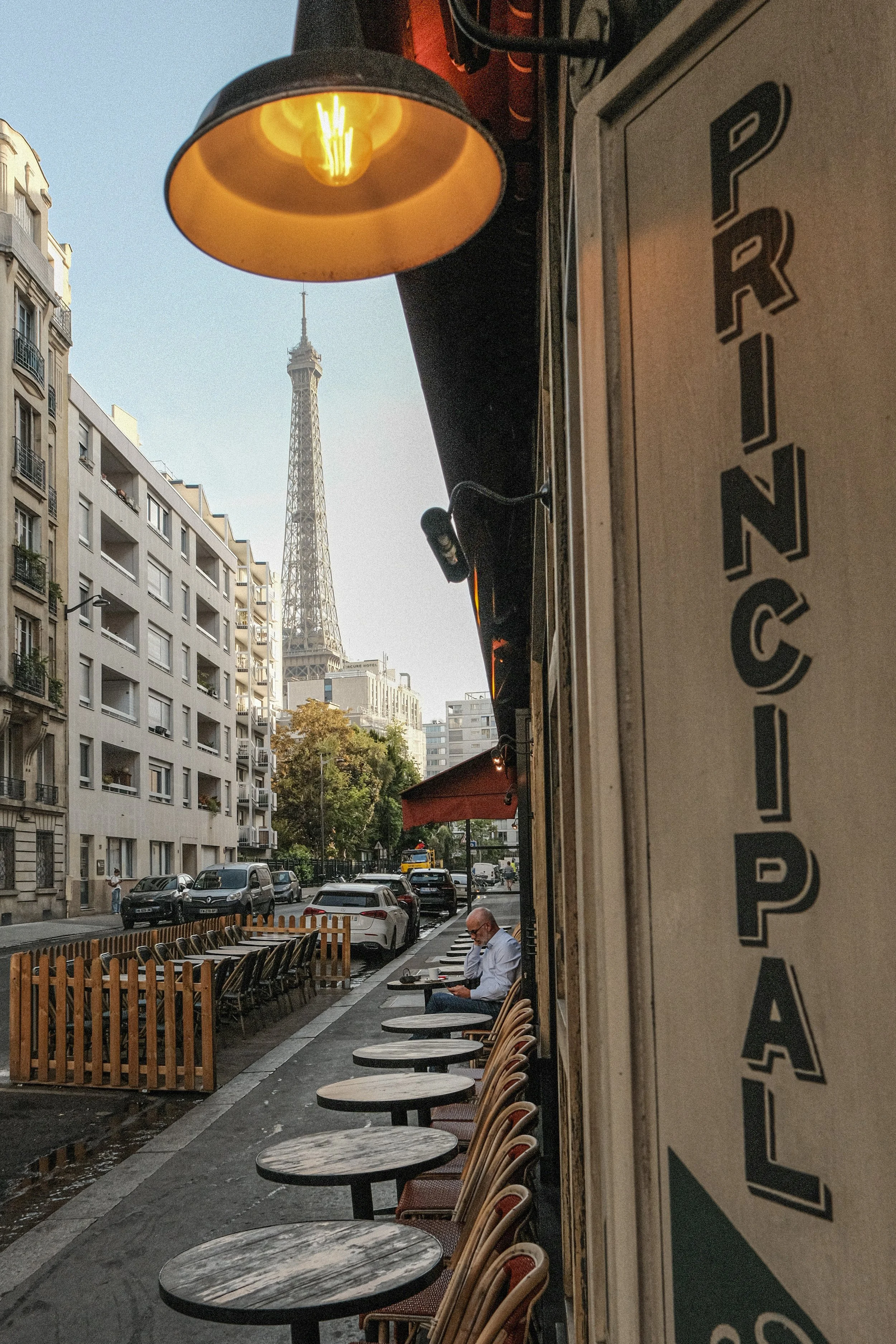
The idea behind a Black Diffusion filter isn't simply to make an image softer. Instead, it subtly diffuses highlights and reduces some of the clinical digital sharpness that modern cameras and lenses can produce. Bright areas of the photograph develop a gentle glow, highlights become less harsh and the transition between bright and dark areas feels smoother. The result is something that can feel much closer to film. That's exactly what I found in Paris. Streetlights, shop windows, reflections, car headlights and sunlight catching buildings all took on a beautifully subtle glow. Instead of highlights looking hard and digital, they seemed to spread slightly into the surrounding area. It gives photographs atmosphere without making them look obviously filtered.
Perfect for the Fujifilm look
One of the reasons I enjoyed these filters so much was how well they worked with my Fujifilm cameras. I used them on both the X-Pro2 and X-M5, and the combination of Fuji colour, film simulations and the Black Diffusion effect produced some fantastic results. The X-Pro2 in particular already has a certain character that I love. Adding the diffusion filter seemed to enhance that character rather than overpower it. It took some of the digital edge away from the image and produced photographs that felt softer, more organic and slightly nostalgic. When combined with Fuji film simulations, it becomes possible to get an enormous amount of the final look directly in camera. For travel photography that's a big advantage. Instead of thinking about how I might recreate a particular look later in Lightroom, I could actually see the atmosphere I wanted while I was walking around Paris.
1/8 vs 1/4 – having both is the real advantage
One of the biggest benefits of this particular kit is that you receive two different strengths: 1/8 and 1/4.
I found that really useful because they don't simply duplicate one another.
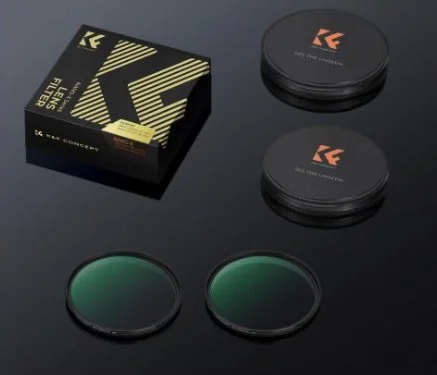
Black Diffusion 1/8
The 1/8 is the more subtle of the two and probably the one I would choose when I want an everyday filter that can stay on the camera for long periods. It takes the edge off digital sharpness and gives highlights a little extra character without screaming "diffusion filter". For daytime Paris street photography, this was excellent. Architecture still retained plenty of detail, people's clothing and faces remained defined and textures were preserved, but there was a slight softness to the overall rendering that gave photographs more atmosphere. It is subtle enough that someone looking at the finished photograph probably wouldn't immediately know that a diffusion filter had been used. They would simply see an image with a slightly different character.
Black Diffusion 1/4
The 1/4 produces a noticeably stronger effect and this is where things become particularly interesting when the light starts to change. For evening photography, artificial lighting, shop windows, streetlights and scenes containing stronger highlights, I loved the effect. The glow becomes more obvious and the image takes on a genuinely cinematic quality. Paris is absolutely made for this kind of photography. You have warm café lighting, illuminated signs, headlights, reflections, metro entrances and beautiful architecture everywhere. The 1/4 filter gave those scenes an extra layer of atmosphere that would have been difficult to recreate convincingly afterwards. The important point is that it still doesn't destroy the image. Used appropriately, you retain detail while gaining that softer highlight roll-off and glow.
It improved the mood of my photographs
This was probably the biggest difference I noticed. Technically perfect photographs aren't necessarily memorable photographs. Modern cameras are incredibly good at producing sharp, clean images, but sometimes that perfection can make photographs feel slightly sterile. These filters introduced imperfection in a very controlled way. The photographs felt warmer, softer and more atmospheric. They had more of the feeling that I associate with older photographs and cinema rather than the ultra-clean appearance we normally associate with modern digital cameras. For my style of street and travel photography, that is a huge positive. Rather than spending time afterwards trying to manufacture atmosphere through editing, I was creating much of that character at the point of capture.
Beautiful highlight rendering
This is where I think these filters really earn their place in the camera bag. Highlights become much more interesting. Instead of a small bright light source simply appearing as a sharp point in the photograph, you get a subtle halo around it. That can completely change the atmosphere of a scene. In Paris I particularly noticed it around streetlights, illuminated shop windows, cafés and brighter areas of the sky. The 1/8 produces a restrained version of the effect while the 1/4 gives you considerably more glow when you deliberately want that cinematic appearance. Importantly, these are Black Diffusion filters, so the effect isn't the same as simply putting a soft-focus filter over the lens. You're not just blurring everything. There's still detail and definition where you want it.
Great for people too
Although I mainly wanted these for street and travel photography, there's another benefit when photographing people. The slight diffusion can soften the appearance of skin and reduce the sometimes unforgiving level of detail produced by modern digital cameras. K&F specifically designed the filters to soften light and highlight flare while producing a more delicate rendering of skin and pores. For environmental portraits, lifestyle photography, weddings and candid photographs, I can see this being extremely useful. It's subtle enough with the 1/8 that you're not obviously applying a "beauty filter", while the 1/4 can produce a much more stylised portrait when that's what you're looking for.
Image quality remains excellent
This was important to me. There's little point putting a creative filter in front of a good lens if it destroys the underlying image quality. The K&F filters use Japanese AGC optical glass with multi-layer coatings. K&F quotes light transmission of approximately 87% for the 1/8 and 84% for the 1/4. They also have 28 layers of coating across the two sides, with hydrophobic, scratch-resistant and oil-resistant properties. In real-world use, I was extremely impressed with the quality. I still had plenty of detail in the photographs. The diffusion changed the character of the image rather than simply making it look soft or out of focus. That distinction is important.
Excellent for travel photography
After using them around Paris, I think these are particularly well suited to travel photographers. They're tiny, they add virtually nothing to your camera bag and they can completely change the character of your images. That's especially valuable when travelling with a small Fujifilm setup. The X-Pro2 with a compact lens and one of these filters is exactly the kind of setup that makes me want to walk around a city and photograph everything I see. There's no complicated filter holder or large accessory to carry around. Screw the filter onto the lens and start shooting. The frame itself is only 3.3mm thick, which helps minimise the risk of vignetting, and the CNC-machined non-slip design also makes the filters easier to fit and remove.
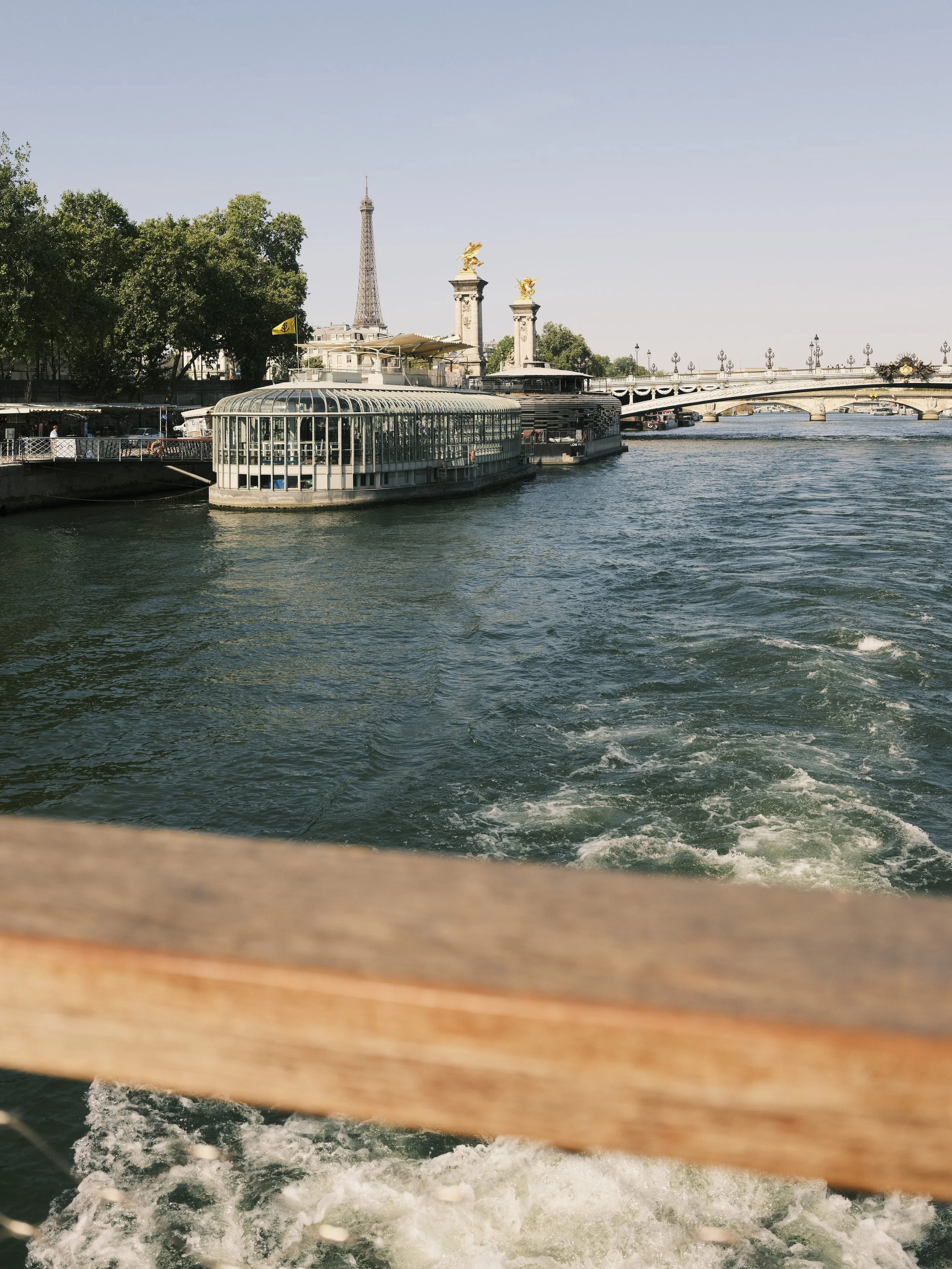
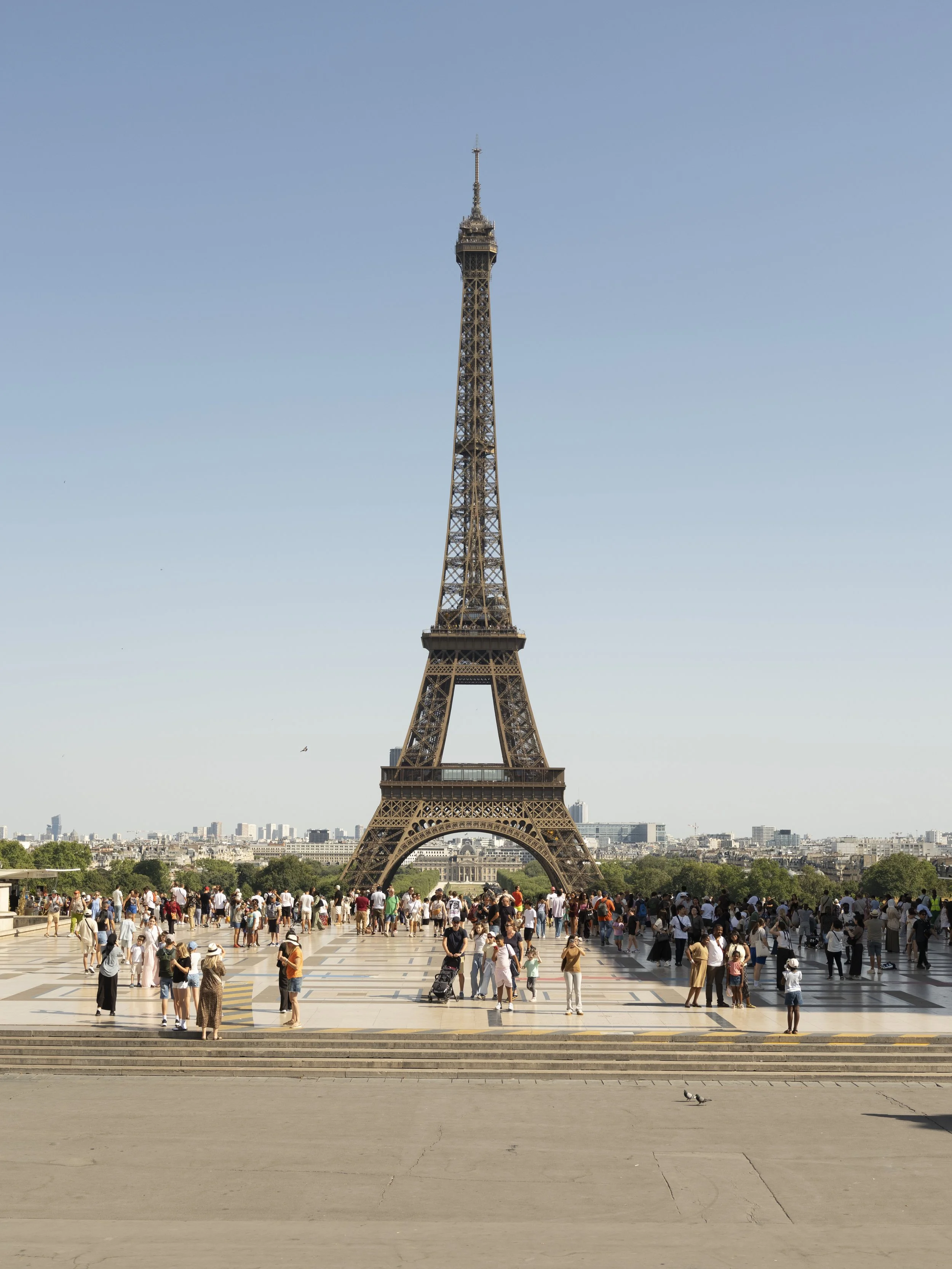
Less editing afterwards
Another unexpected benefit was how much closer the RAW files were to the mood I wanted before I'd even started editing. Obviously you can recreate elements of diffusion in Lightroom or Photoshop, but I've never felt that software diffusion looks quite the same as capturing light through a physical diffusion filter. The filter is actually interacting with the light entering the lens. That affects bright points, reflections and highlights naturally according to the scene in front of you. For me, that is much more satisfying than trying to manufacture the effect afterwards. It also encouraged me to concentrate more on the photograph itself rather than thinking, "I'll sort that out in Lightroom."
Who would I recommend them to?
I'd particularly recommend this kit to street photographers, travel photographers, Fujifilm shooters, portrait and lifestyle photographers, wedding photographers and anyone who wants to introduce a slightly more cinematic or film-inspired quality into their digital photography. They're also particularly effective if you enjoy shooting cities at dusk or at night. Put the 1/4 on the camera in a city full of neon signs, streetlights, headlights, shop windows and wet pavements and you can produce some gorgeous results. For general daytime photography, I'd lean towards the 1/8. For golden hour, blue hour and night photography, I'd be tempted to reach for the 1/4. Having both in the kit means you aren't stuck with a single strength.
Final thoughts
These ended up being one of my favourite accessories from my trip to Paris. I originally expected them to be something I'd use occasionally when I wanted a particular effect. Instead, I found myself really enjoying the character they gave my photographs and using them far more than I'd anticipated. That's probably the biggest compliment I can give them. They don't feel like filters that are there simply to create an obvious effect. Instead, they subtly influence the way the camera renders light. The 1/8 is beautifully restrained and works brilliantly as an everyday diffusion filter. The 1/4 takes things further and produces some gorgeous results when you're working with strong highlights and artificial light. Combined with the colours and film simulations of my Fujifilm X-Pro2 and X-M5, the results in Paris were superb. They softened harsh highlights, added a gentle glow around lights, reduced some of that overly clinical digital sharpness and gave my photographs a more cinematic, nostalgic feel without sacrificing the underlying detail. Most importantly, they made me enjoy taking photographs.
Walking through Paris with the X-Pro2, a small lens and one of these filters attached felt like the perfect combination for the type of photography I love. If you're looking for a relatively simple way of giving your digital photography more character rather than simply adding another effect during editing, the K&F Concept Black Diffusion 1/4 and 1/8 kit is definitely worth trying. For street and travel photography in particular, these are filters that will now have a permanent place in my camera bag.